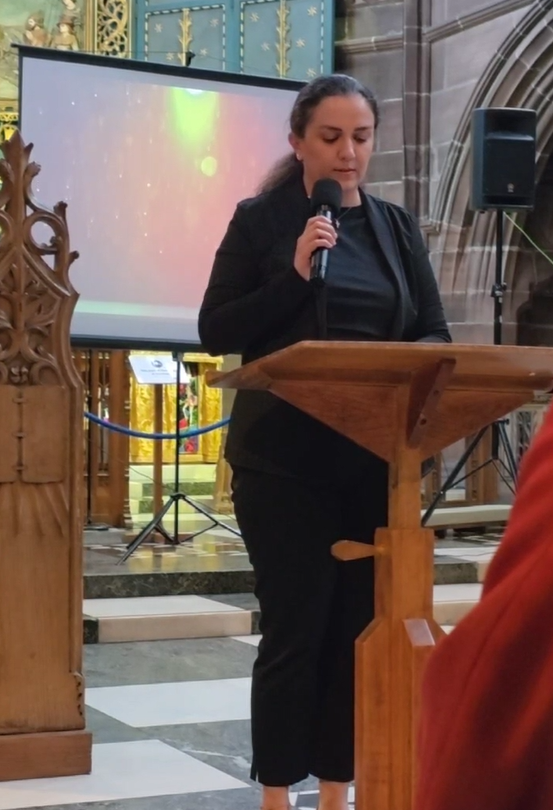
من یک شهروند ایرانی هستم که در یک خانواده مسلمان به دنیا آمده و بزرگ شده ام و با پیروی از قوانین و آموزه های اسلام رشد کرده ام.
آشنایی با اسلام و شکل گیری تردیدها
از دوران مدرسه با آموزه های اسلامی و فقه از طریق کلاس های دینی و مطالعه قرآن در مدرسه آشنا شدم با بزرگتر شدنم به تدریج متوجه تفاوت های قانونی و اجتماعی میان مردان و زنان و اجبارهایی در این دین شدم.
تجربیات شخصی
از همان کودکی تجربیاتی را در زندگی شخصی کسب کردم که باعث شد در بزرگسالی باعث تردید و کاوش بیشتری در دین اسلام شود
زمانی که من 7 ساله بودم به مدرسه رفتم و چون در فقه اسلامی رعایت حجاب اجباری است ما هم چون به مدرسه میرفتیم با اینکه سن کمی داشتیم ولی مجبور بودیم از لباسهای بلند و مقنعه برای رفتن به مدرسه استفاده کنیم و این لباس فرم مدارس دخترانه اسلامی بود این نوع پوشش برای بچه 7 ساله بسیار سخت بود و عملا در مدرسه ای که تمام پرسنل آن خانم هستن و معلمها و دانش آموز خانم هستند و در محیط بسته کلاسهای درس، دانش آموزان مجبور به رعایت حجاب هستند حتی برای بچه هایی که به سن قانونی رعایت احکام اسلامی نرسیده اند سن قانونی رعایت احکام اسلامی برای زنان 9 سال است و بعد از آن ملزم به رعایت قوانین و احکام اسلامی از جمله رعایت حجاب و خواندن نماز هستند.
زمانی که من 15 ساله بودم از ساعت 7 صبح تا 12 ظهر به مدرسه میرفتیم و پس از آن باید در مدرسه میماندیم و نماز را به جماعت میخواندیم همه دانش آموزان ملزم به خواندن نماز بودند
اینها نمونه هایی از اجبار در دین بود که من با آنها مواجه شدم
وقتی 21 ساله بودم در دانشگاه درس میخواندم و با وجود اینکه رشته من ربطی به احکام و فقه اسلامی نداشت اما مجبور بودیم علاوه بر 12 سال مدرسه در دانشگاه نیز فقه اسلامی را به عنوان چند واحد درسی پاس کنیم در آن زمان استاد درس معارف اسلامی ما راجع به موضوع چند همسری برای مردان در اسلام گفتگو کرد و او برای ما توضیح داد که پیامبر اسلام در یک زمان نه همسر داشته است و امامان نیز چند همسر دائم و چندین همسر موقت داشته اند و حتی در آیه های قرآن نیز به موضوع چند همسری اشاره شده است و مردان میتوانند 4 همسر دائم داشته باشند و در فقه سنتی اسلامی نیز مجوز همسر اول برای گرفتن همسر دوم نیاز نیست و من هر چقدر در این مباحث عمیق میشدم بیشتر به تفاوت زن و مرد از نگاه اسلام پی میبردم.
وقتی 24 ساله بودم ازدواج کردم در قوانین اسلام دختر برای اینکه ازدواج کند باید اجازه پدر را بگیرد یعنی پدرم بود که عملاً مجوز داد تا من ازدواج کنم و من خودم نمیتوانستم با اختیار خودم ازدواج کنم بعد از ازدواج ما تصمیم گرفیم به ماه عسل به یک کشور خارجی برویم و من چون پاسپورت نداشتم برای گرفتن پاسپورت اقدام کنم که به من گفتن همسرت باید اجازه بدهد که تو برای مسافرت پاسپورت بگیری و آنجا بود که فهمیدم که من هیچ وقت خودم نمیتوانم برای خودم تصمیم بگیرم تا زمانیکه مجرد هستم پدرم برایم تصمیم میگیرد و وقتی متاهل شدم همسرم برایم تصمیم میگیرد و من حتی برای یک مسافرت ساده نمیتوانم برای خودم تصمیم بگیرم
وقتی 33 ساله بودم برای زایمان به بیمارستان مراجعه کردم درد زایمان طبیعی من شروع شده بود و من با توجه به برنامه ریزی هایی که از قبل داشتم و ورزشها و پیاده روی که کرده بودم تصمیم به زایمان طبیعی داشتم اما متوجه شدم که مرا با تخت به اتاق عمل میبرند وقتی پرس و جو کردم به من گفتند همسرت درخواست کرده که عمل جراحی سزارین شوی و حتی به من این موضوع را نگفته بودند و من وقتی اعتراض کردم که من نمیخواهم جراحی شوم گفتند تصمیم گیری در مورد فرزند به عهده پدر است و او تصمیم گرفته فرزندش زودتر به دنیا بیاید آنجا بود که فهمیدم من در مورد بدنم خودم هم نمیتوانم تصمیم بگیرم
پس از به دنیا آمدن پسرم او را به دلایلی در بیمارستان بستری کردند و او سه روز در بیمارستان بستری شد و من با اینکه خودم تازه جراحی شده بودم و نمیتوانستم به درستی راه برم و یا بشینم و حتی به سختی پسرم را شیر میدادم در بیمارستان کنار پسرم ماندم تا دوره بستری او تمام شود روز چهارم به من گفتند حال پسرت خوب است و میتوانی او را به خانه ببری وقتی برای ترخیص او به صندوق مراجعه کردم و متوجه شدند من مادر بیمار هستم به من گفتند مادر نمیتواند اورا مرخص کند فقط پدرش میتواند این کار را انجام دهد اگر پدر نبود پدربزرگ پدری و اگر او نبود عمو یا بستگان پدری میتوانند این کار را انجام دهند
در واقع طبق احکام اسلامی و آیه قرآن مرد نگهبان زن و فرزندانش است و مادر با اینکه 9 ماه باردار بوده و درد زایمان را تحمل کرده است هیچ نظری نمیتواند در خصوص فرزندش بدهد
بعد از این تجربیات که باعث احساس بی عدالتی، ناراحتی و فشار روانی در من شد بعنوان یک زن احساس میکردم جایگاه برابری با مردان ندارم و این موضوع برای من بسیار آزار دهنده بود و از آن پس اعتقاداتم نسبت به اسلام کمتر شد
آشنایی با مسیحیت و تغییر باور
من به آفریننده ایمان داشتم اما نمیتوانستم قبول کنم این چنین احکام سخت و نابرابری ها را برای موجوداتی که خلق کرده گذاشته باشد من بعد از ورودم به بریتانیا به دعوت و تشویق یکی از دوستانم با دین مسحیت آشنا شدم و به کلیسا رفتم و کتاب مقدس را مطالعه کردم با خواندن کتاب مقدس احساس آرامش، امید و برابری کردم و برای اولین بار احساس کردم به عنوان یک انسان فارغ از جنسیت ارزشمند هستم.
در کلیسا حضور یافتم و با جامعه مسیحی ارتباط برقرار کردم حضور در این جامعه و مشارکت در عبادت ایمان مرا تقویت کرد و در نهایت تصمیم به تغییر دین گرفتم و هم اکنون خود را مسیحی میدانم و پس از پذیرش مسیحیت شروع به صحبت درباره ایمانم و دعوت دیگران به آن کردم
در جامعه ای که من در آن بزرگ شدم زنان و مردان بسیاری از این نابرابری ها رنج میبرند لذا من اطرافیانم را به این دین بشارت میدهم.
I am an Iranian women, born and raised in a Muslim family, and I grew up following the laws and teachings of Islam.
Familiarity with Islam and the formation of doubts
From my school years, I became familiar with Islamic teachings and jurisprudence through religious classes and Quran studies at school. As I grew older, I gradually began to notice legal and social differences between men and women, as well as certain obligations within this religion.
Personal experiences
From childhood, I had personal experiences in my life that led me, in adulthood, to question and explore Islam more deeply.
When I was 7 years old, I started school. Because Islamic jurisprudence requires mandatory hijab, even at a very young age we were forced to wear long clothing and a headscarf for school. This was the official uniform for girls in Islamic schools. Such clothing was very difficult for a 7-year-old child. In an environment where all staff, teachers, and students were female, and in closed classroom settings, students were still required to observe hijab—even children who had not reached the age of religious obligation. In Islamic law, the age of religious obligation for girls is 9, after which they are required to follow Islamic rules, including hijab and prayer.
When I was 15 years old, we attended school from 7 a.m. to 12 p.m., and after that we were required to stay at school and perform congregational prayer. All students were obligated to pray. These were examples of compulsory religious practices that I experienced.
When I was 21 and studying at university, although my field of study was not related to Islamic jurisprudence, we were still required to take Islamic studies as compulsory courses in addition to 12 years of school education. At that time, our Islamic studies professor discussed polygamy in Islam. He explained that the Prophet Muhammad had nine wives at one time, and the Imams also had multiple permanent and temporary wives. He further explained that the Quran refers to polygamy and that men are allowed to have up to four permanent wives. In traditional Islamic jurisprudence, a man does not even need permission from his first wife to take a second wife. The more I studied these topics, the more I became aware of the differences between men and women in Islam.
When I was 24, I got married. According to Islamic law, a girl needs her father’s permission to marry, meaning my father effectively gave permission for my marriage, and I could not decide independently. After marriage, my husband and I planned to travel abroad for our honeymoon. Since I did not have a passport, I applied for one, but I was told that my husband had to give permission for me to obtain a passport. At that moment, I realized that I could never fully make decisions for myself—while unmarried, my father decided for me, and after marriage, my husband did. Even for something as simple as travel, I could not decide independently.
When I was 33, I went to the hospital to give birth. My natural labor had started, and based on my prior planning, exercise, and walking routine, I intended to have a natural delivery. However, I discovered that I was being taken to the operating room on a bed. When I asked, I was told that my husband had requested a C-section, and I had not even been informed. When I objected and said I did not want surgery, I was told that decisions regarding the child were the father’s responsibility, and he had decided the baby should be born earlier. At that moment, I realized I could not even make decisions about my own body.
After my son was born, he was hospitalized for three days. Even though I had just undergone surgery and could barely walk or sit, I stayed with him until his treatment was completed. On the fourth day, I was told that my son was healthy and could be discharged. However, when I went to the billing department, I was informed that only the father could discharge the child. If the father was unavailable, then the paternal grandfather or paternal male relatives could do so. In other words, under Islamic rules, the man is considered the guardian of the woman and children. Despite carrying the child for nine months and enduring childbirth, the mother has no legal authority over her own child.
These experiences caused feelings of injustice, distress, and psychological pressure. As a woman, I felt I did not have equal status with men, which was deeply distressing, and from that point my beliefs about Islam gradually weakened.
Familiarity with Christianity and change of belief
I always believed in the Creator, but I could not accept that such unequal and difficult laws would be placed upon the beings He created. After coming to the United Kingdom, through the invitation and encouragement of a friend, I became familiar with Christianity. I attended church and studied the Bible. By reading the Bible, I felt peace, hope, and equality, and for the first time I felt valuable as a human being, regardless of gender.
I attended church and connected with the Christian community. Being part of this community and participating in worship strengthened my faith. Eventually, I decided to convert, and I now consider myself a Christian. After accepting Christianity, I began sharing my faith and inviting others to it.
In the society where I grew up, many women and men suffer from these inequalities, and therefore I share the message of this faith with those around me.
Leave a Reply